

Best Copper Peptide Cream for Face: A Buyer's Guide
Table of Contents
- What Makes a Copper Peptide Cream Worth Your Investment
- Understanding Copper Tripeptide-1 (GHK-Cu) and Its Role in Skincare
- Key Ingredients Beyond GHK-Cu: Hydration and Barrier Support
- Concentration Levels: What Percentage of Copper Peptide Actually Matters
- Building Your Copper Peptide Skincare Routine
- Evaluating Texture, Formulation Quality, and Skin Type Compatibility
- Common Mistakes When Choosing a Copper Peptide Cream
- Coming Soon: NOCTIS Blue Copper Advanced Daily Face Cream
- Frequently Asked Questions
Last Updated: October 4, 2026
What Makes a Copper Peptide Cream Worth Your Investment
A copper peptide cream for face represents one of the most researched ingredients in modern skincare. Unlike trendy ingredients that fade from favor, copper peptides have maintained consistent scientific interest for over two decades. The appeal is straightforward: these compounds work at the cellular level to support skin's natural renewal processes.
The most studied form is Copper Tripeptide-1, commonly abbreviated as GHK-Cu. This specific peptide complex appears in skincare for a reason, it addresses multiple concerns simultaneously. Rather than targeting one issue, a quality copper peptide cream for face supports hydration, barrier function, and the appearance of smoother, firmer skin.
The real question isn't whether copper peptides work. It's whether the cream you're considering actually delivers what the ingredient promises. Many formulations contain copper peptides at concentrations too low to matter. Others pair them with incompatible ingredients that reduce effectiveness.
Understanding Copper Tripeptide-1 (GHK-Cu) and Its Role in Skincare
Copper Tripeptide-1 is a peptide complex that combines copper with three amino acids. This combination creates a compound that skin recognizes and responds to naturally. The ingredient has been studied extensively in dermatological research, with particular focus on its role in skin remodeling and cellular turnover.
How GHK-Cu Works at the Cellular Level
GHK-Cu functions through multiple pathways in the skin. The copper component activates enzymes involved in collagen cross-linking, which supports the structural integrity of skin tissue. The peptide portion signals skin cells to increase production of compounds that maintain elasticity and firmness.
This mechanism differs fundamentally from exfoliating acids or retinoids, which work primarily through cell turnover. GHK-Cu instead works with the skin's existing processes, supporting what the skin naturally does. This is why copper peptide skincare tends to be well-tolerated even by sensitive skin types.
The research suggests that GHK-Cu may support the skin's natural repair processes. When applied topically, the compound appears to penetrate the dermal layer where collagen and elastin reside. This is why application method and formulation quality matter so much, poor delivery means the ingredient never reaches where it's most useful.
Firmer-Looking, Smoother-Looking Skin: What the Research Shows
The cosmetic benefits of copper peptides center on appearance rather than claims of permanent structural change. Users report that skin looks firmer and smoother with consistent use. The mechanism appears to involve both improved hydration and enhanced skin texture at the surface level.
A copper peptide cream for face works partly through immediate hydration effects. The peptide itself is hygroscopic, meaning it attracts moisture to the skin. This hydration plumps the skin temporarily, making fine lines less visible. Over weeks of use, the cumulative effect of improved cellular function produces a more refined skin texture.
The distinction matters for credibility. A quality formulation delivers visible improvements in how skin looks and feels. Overstated claims about reversing aging or permanently rebuilding skin undermine the legitimate benefits that copper peptides actually provide.
Key Ingredients Beyond GHK-Cu: Hydration and Barrier Support
The copper peptide itself is only one part of an effective formulation. The supporting ingredients determine whether GHK-Cu actually reaches the skin and functions optimally. A well-designed copper peptide cream for face includes ingredients that support hydration and strengthen the skin barrier.
Hydrating agents like glycerin, hyaluronic acid, and humectants draw moisture into the skin. These ingredients enhance the peptide's hydrating effects and create an environment where cellular processes function optimally. Without adequate hydration support, even a high-concentration copper peptide product underperforms.
Barrier-supporting ingredients are equally important. Ceramides, niacinamide, and plant-derived lipids reinforce the skin's protective layer. A compromised barrier prevents active ingredients from penetrating effectively and allows moisture loss.
Look for formulations that include antioxidants as well. Ingredients like vitamin E, ferulic acid, or green tea extract protect the copper peptide from oxidation and reduce oxidative stress in the skin.
Concentration Levels: What Percentage of Copper Peptide Actually Matters
Not all copper peptide concentrations deliver equivalent results. The ingredient must be present at meaningful levels to produce visible effects. Effective copper peptide creams often contain GHK-Cu at meaningful levels.
At lower concentrations, the ingredient may not produce measurable effects on skin texture or appearance.
At certain concentrations, copper peptides may show meaningful effects with consistent use.
Higher concentrations may not always be better and could increase the risk of irritation in sensitive individuals, though copper peptides are generally well-tolerated. The formulation quality and supporting ingredients can be more important than raw concentration.
When evaluating a copper peptide cream for face, look for it listed early in the ingredient list and consider asking the brand directly about concentration if it's not disclosed. Transparency about concentration can be a helpful indicator.
Building Your Copper Peptide Skincare Routine
Incorporating a copper peptide cream for face into your routine requires understanding how it interacts with other products. The formulation itself is typically a moisturizing cream, which means it works best as a step that hydrates and protects rather than one that exfoliates or chemically transforms the skin.
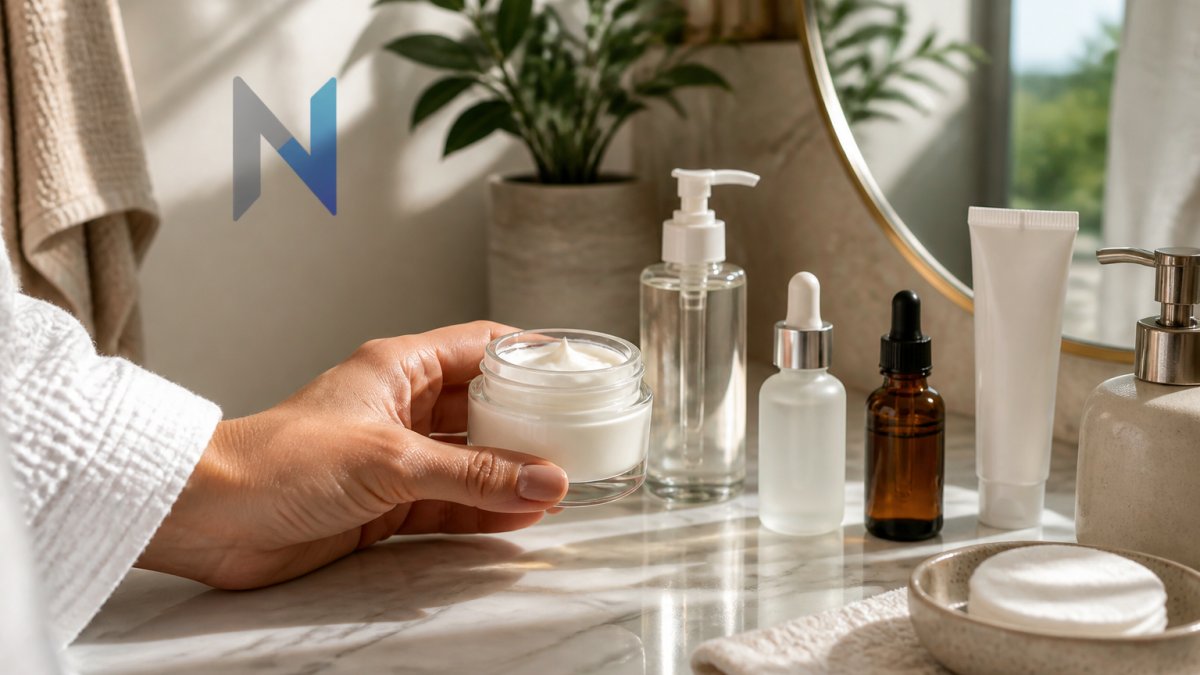
Start with a gentle cleanser appropriate for your skin type. Follow with any water-based treatments like toners or essences. Apply the copper peptide cream to clean, slightly damp skin. The moisture on the skin helps the cream spread evenly and enhances absorption.
Layering Copper Peptides With Other Active Ingredients
The order in which you apply products matters. Apply lighter textures first, serums and essences, before heavier creams. This ensures each product penetrates properly without being blocked by thicker formulations.
Copper peptides layer well with most skincare ingredients. They're compatible with niacinamide, which supports barrier function and reduces inflammation. Hyaluronic acid pairs excellently with copper peptides, amplifying the hydrating effect. Vitamin C serums work synergistically with GHK-Cu, as both support skin firmness and radiance.
Avoid layering copper peptides directly with high-concentration vitamin A derivatives like retinol on the same evening. While not inherently incompatible, this combination can increase irritation potential in sensitive skin. Use copper peptides in the morning or alternate them with retinoid use at night.
Exfoliating acids (AHAs and BHAs) are fine to use in the same routine, but apply them separately. Use acids in the evening as a treatment step, then follow with your copper peptide cream.
Application Tips for Maximum Absorption and Results
Apply the copper peptide cream for face to clean, damp skin for optimal absorption. Dampness helps the cream penetrate more effectively than application to completely dry skin. Use a pea-sized amount for the face and neck, warming it between your fingers before pressing gently into the skin.
Don't massage aggressively. Copper peptide creams work best when patted and pressed into the skin rather than rubbed in. This gentler application protects the skin barrier and ensures even distribution. Allow the product to absorb for a minute before applying sunscreen or additional products.
Consistency matters more than quantity. Using a copper peptide cream for face every morning and evening produces better results than sporadic use. The cumulative effect of regular application drives the visible improvements in skin texture and firmness. Most users notice meaningful changes within 4-6 weeks of consistent use.
Evaluating Texture, Formulation Quality, and Skin Type Compatibility
The texture of a copper peptide cream for face affects both how it feels and how effectively it works. A quality formulation should feel luxurious without being greasy. The best creams absorb within minutes, leaving skin hydrated rather than coated.
Texture preferences vary by skin type. Oily and combination skin typically benefits from lighter cream formulations with faster absorption. These often include silicones or squalane to provide hydration without heaviness.
Sensitive skin requires particular attention to formulation. Look for copper peptide creams without added fragrance, essential oils, or common irritants. The formulation should be pH-balanced, typically between 4.5 and 6.5, to maintain skin barrier integrity. Simpler formulations with fewer ingredients often work better for reactive skin.
Pay attention to how the product feels immediately after application and over the following hours. A quality copper peptide cream for face should feel comfortable, not tight or greasy.
Common Mistakes When Choosing a Copper Peptide Cream
The most common mistake is prioritizing brand recognition over formulation quality. A well-known name doesn't guarantee that the copper peptide cream for face actually contains effective concentrations of active ingredients or supporting compounds.
Another frequent error is assuming higher price correlates with better results. Expensive doesn't automatically mean effective. Some premium brands charge for packaging and marketing rather than superior formulation.
Many people expect immediate results and abandon the product after one or two applications. Copper peptides work cumulatively. Visible improvements in skin texture and firmness typically emerge after 4-6 weeks of consistent use.
Overlooking complementary ingredients is another common oversight. A copper peptide cream for face with insufficient hydration support or barrier-strengthening compounds underperforms.
Finally, avoid products that make medical claims. Any copper peptide cream claiming to treat acne, rosacea, eczema, or other skin conditions is making false claims. Skincare products are cosmetic.
Coming Soon: NOCTIS Blue Copper Advanced Daily Face Cream
A new kind of copper peptide skincare is coming.
NOCTIS Blue Copper Advanced Daily Face Cream is being developed as a premium barrier-supporting daily face cream centered around Copper Tripeptide-1 (GHK-Cu) and a carefully selected blend of hydrating and skin-supporting ingredients.
Designed for people who want:
- Firmer-looking skin
- Smoother-looking skin
- Deep hydration
- Visibly healthier-looking, more resilient skin
The formula is being developed without retinol, exfoliating acids, or added fragrance, making it a focused addition to a premium daily skincare routine.
NOCTIS Blue Copper Advanced Daily Face Cream is coming soon. Stay tuned for the launch.
Choosing the right copper peptide cream for face comes down to understanding what actually works and what's marketing. The ingredient itself has legitimate science behind it, but only when delivered in a thoughtful formulation with adequate concentration and supporting compounds. Look for transparency about GHK-Cu concentration, complementary hydrating and barrier-supporting ingredients, and realistic claims about cosmetic benefits. Avoid products making medical claims, and give any new formulation at least 4-6 weeks of consistent use before deciding whether it delivers results for your skin.
Frequently Asked Questions
Do copper peptides really work on your face?
Copper peptides, specifically Copper Tripeptide-1 (GHK-Cu), have shown promise in supporting skin health through proposed mechanisms involving collagen production and cellular turnover. While research is ongoing, many users report visible improvements in skin texture and appearance when using copper peptide creams consistently. Results vary by individual, skin type, and formulation quality. Patch testing on a small area first is recommended to ensure compatibility with your skin.
What percentage of copper peptide is best in a cream?
Effective copper peptide creams often contain GHK-Cu at meaningful concentrations. Higher concentration doesn't always mean better results, bioavailability, formulation stability, and supporting ingredients matter equally. Look for products that specify their copper peptide concentration and are formulated to maintain potency. Start with lower concentrations if you have sensitive skin, then adjust based on your skin's response.
Can I use copper peptides with other skincare ingredients?
Copper peptides can be layered with many skincare ingredients, but compatibility matters. They work well with hydrating ingredients like hyaluronic acid and glycerin, and with barrier-supporting compounds. Always introduce one new product at a time and monitor your skin's response, especially if you're using multiple active ingredients.
What should I look for in a high-quality copper peptide cream?
Evaluate these factors: clearly stated GHK-Cu concentration, inclusion of hydrating and barrier-supporting ingredients, stable formulation, appropriate texture for your skin type, and absence of unnecessary fragrances or irritants. Check the ingredient list for supporting compounds that enhance absorption and efficacy. Premium formulations often include additional peptide complexes or antioxidants to support overall skin health and resilience.