

Safe Supplements for Anxious Sleepers
Table of Contents
- Understanding Anxiety and Sleep
- Supplements for Anxiety and Sleep: What Works
- Herbs for Anxiety and Sleep Support
- Sleep Supplement Safety and Interactions
- Building a Bedtime Routine for Anxiety
- When to Seek Professional Guidance
- Supporting Your Sleep Without Melatonin
- Frequently Asked Questions
Last Updated: October 17, 2026
Understanding Anxiety and Sleep
When racing thoughts keep you awake and anxiety makes it hard to wind down, the problem isn't always insomnia, it's restlessness. Anxiety and sleep issues are deeply connected. Your nervous system stays activated when you should be relaxing, making it difficult to transition into restful sleep.
This guide explores safe, evidence-based supplements for anxious sleepers that help you wind down without relying on melatonin. Whether you're dealing with occasional racing thoughts or a chronic pattern of nighttime anxiety, understanding your options helps you make an informed choice about what might work for your situation.
Supplements for Anxiety and Sleep: What Works
The honest answer is that "what works" depends on the ingredient and the quality of evidence behind it. Some supplements have multiple randomized controlled trials in humans; others rest on small studies, animal data, or proposed mechanisms. Below is a practical breakdown by ingredient, with the evidence tier and typical dosing ranges discussed in the literature, not a promise that any single product will work for you.
Amino acids: glycine and L-theanine
Glycine is an inhibitory amino acid. Small human trials have reported improvements in subjective sleep quality and next-day alertness when glycine was taken before bed, though the studies are modest in size (pubmed.ncbi.nlm.nih.gov).
L-Theanine is the amino acid most closely associated with calm alertness. Human trials, including studies using EEG, suggest it can increase alpha-wave activity, a pattern linked to relaxed wakefulness. Evidence for sleep specifically is more limited than evidence for stress and relaxation, and results are mixed. Typical doses in research range from 100-400 mg.
Magnesium
Magnesium has the strongest evidence base of any mineral for relaxation and sleep-adjacent outcomes, though even here the picture is nuanced: benefits appear most consistent in people with low magnesium intake, and trials in well-nourished adults are less conclusive. Forms differ in absorption, magnesium glycinate and magnesium citrate are common choices, while magnesium oxide is cheaper but poorly absorbed. High doses can cause loose stools. People with kidney disease should not supplement magnesium without medical guidance.
GABA
GABA (gamma-aminobutyric acid) is the brain's primary inhibitory neurotransmitter, and low GABA signaling is associated with anxiety and poor sleep. The catch is that oral GABA's ability to cross the blood-brain barrier is debated, and human sleep trials are small and mixed. Many formulas combine GABA with ingredients thought to support its function rather than relying on GABA alone. Treat claims here as preliminary.
Taurine
Taurine is an amino acid with calming and osmoregulatory roles. Human evidence for sleep specifically is limited, but it appears in many nighttime formulas as a supporting ingredient. It is generally well tolerated at typical supplemental doses.
Herbal ingredients: ashwagandha, apigenin, lavender, passionflower
Ashwagandha (Withania somnifera) has the most human trial data among the herbs here, primarily for stress and perceived sleep quality.
Apigenin is a flavonoid found in chamomile.
Lavender has small human trials (including oral lavender oil preparations) suggesting benefit for anxiety and sleep quality, but the evidence is limited and preparations vary widely.
Passionflower has a handful of small human trials suggesting mild anxiolytic and sleep-support effects. Evidence is preliminary.
Dosage and timing
Most sleep-oriented supplements are studied when taken 30-60 minutes before bed. Consistency matters more than precise timing for many ingredients. Start with one ingredient at a time so you can tell what's helping and what isn't, and give it at least two weeks before judging. If you take multiple medications, review the full stack with a pharmacist before combining ingredients.
Herbs for Anxiety and Sleep Support
Herbal supplements have been used for centuries to support relaxation. Ashwagandha is a standardized botanical extract studied for stress response and sleep support. Apigenin, a plant flavonoid found in chamomile and other botanicals, is being investigated for its calming properties.
Lavender and passionflower are other commonly used herbs for anxiety and sleep. These work through different mechanisms than amino acids, they influence the nervous system's stress response rather than directly affecting neurotransmitters. Many people find that herbal blends work best when combined with amino acids for a comprehensive approach to relaxation.
Sleep Supplement Safety and Interactions
Safety is where most supplement roundups get vague, and it's the part anxious sleepers most need. Supplements are regulated as foods, not drugs, under the FDA's dietary supplement framework, which means products reach the market without pre-market approval for safety or effectiveness. That places the burden of judgment on you and your clinician. The sections below cover the interaction categories, higher-risk groups, and quality signals worth knowing before you add anything to your nightly routine.
Medication interactions to discuss with a clinician or pharmacist
Before starting any supplement, review your full medication list, including over-the-counter products, alcohol, and other sedatives, with a pharmacist or prescribing clinician. A few interaction categories come up repeatedly with the ingredients commonly marketed to anxious sleepers:
- Sedatives and CNS depressants. Combining calming supplements with prescription sleep aids, benzodiazepines, opioids, or alcohol can compound drowsiness and impair coordination. This is the single most important combination to flag.
- Stimulants. L-Theanine is often paired with caffeine for focus, but it can also interact with prescription stimulants used for ADHD; timing and dose matter.
- Blood thinners and antiplatelet drugs. Some botanical extracts, including ashwagandha and chamomile-family ingredients, have been associated with bleeding-risk signals in case reports. Anyone on warfarin, apixaban, rivaroxaban, or clopidogrel should clear herbal additions first.
- Blood sugar and thyroid medications. Ashwagandha has been reported to affect blood glucose and thyroid hormone levels in some users. People managing diabetes or thyroid conditions, or taking levothyroxine, should not add it without medical guidance.
- Blood pressure medications. Magnesium can lower blood pressure modestly; combined with antihypertensives, the effect may be additive.
- Immunosuppressants and autoimmune treatment. Ashwagandha may influence immune activity, which is a concern for people on immunosuppressive therapy.
A pharmacist is often the fastest resource for a same-day interaction check, most will review a supplement list against your prescriptions without an appointment.
Pregnancy, breastfeeding, and other higher-risk groups
Many supplements marketed for sleep and anxiety lack adequate safety data for pregnancy and breastfeeding. The general guidance from obstetric authorities is to avoid herbal supplements during pregnancy unless a clinician specifically recommends them, and to treat "natural" as a marketing term rather than a safety claim. Groups that warrant extra caution include:
- People who are pregnant, trying to conceive, or breastfeeding
- Adults over 65, who metabolize many compounds differently and are more likely to take multiple medications
- People with liver or kidney conditions, since clearance of botanicals and minerals can be impaired
- Anyone scheduled for surgery within two weeks, several herbs and magnesium can affect anesthesia or bleeding
- Adolescents, for whom most adult sleep-supplement dosing has not been studied
Alcohol and other sedatives
Alcohol disrupts sleep architecture even when it feels sedating, and combining it with calming supplements or sleep aids increases impairment risk. A common pattern is a glass of wine plus a sleep supplement, a combination that is easy to overlook but worth avoiding. The same caution applies to cannabis products, antihistamines used for sleep, and any prescription sedative.
How to judge supplement quality
Because the FDA does not verify supplement contents before sale, third-party testing is the most reliable signal of what's actually in the bottle. Look for:
- Independent certification marks from programs such as NSF Certified for Sport, USP Verified, or Informed Sport, each verifies identity, potency, and contaminant limits to a published standard
- A current Good Manufacturing Practice (cGMP) statement on the label or brand site
- A supplement facts panel that lists exact amounts per serving rather than proprietary blends, which hide individual doses
- Allergen and "free from" disclosures that are specific rather than generic
- A lot number and expiration date that allow you to trace the batch
Contamination with heavy metals, undeclared pharmaceuticals, and mislabeled botanical identity are documented problems in the supplement market, which is why certification matters more than marketing language.
Building a Bedtime Routine for Anxiety
Supplements work best within a structured bedtime routine that signals to your body it's time to wind down. Start 60-90 minutes before sleep. Dim your lights, reduce screen time, and create a calm environment.
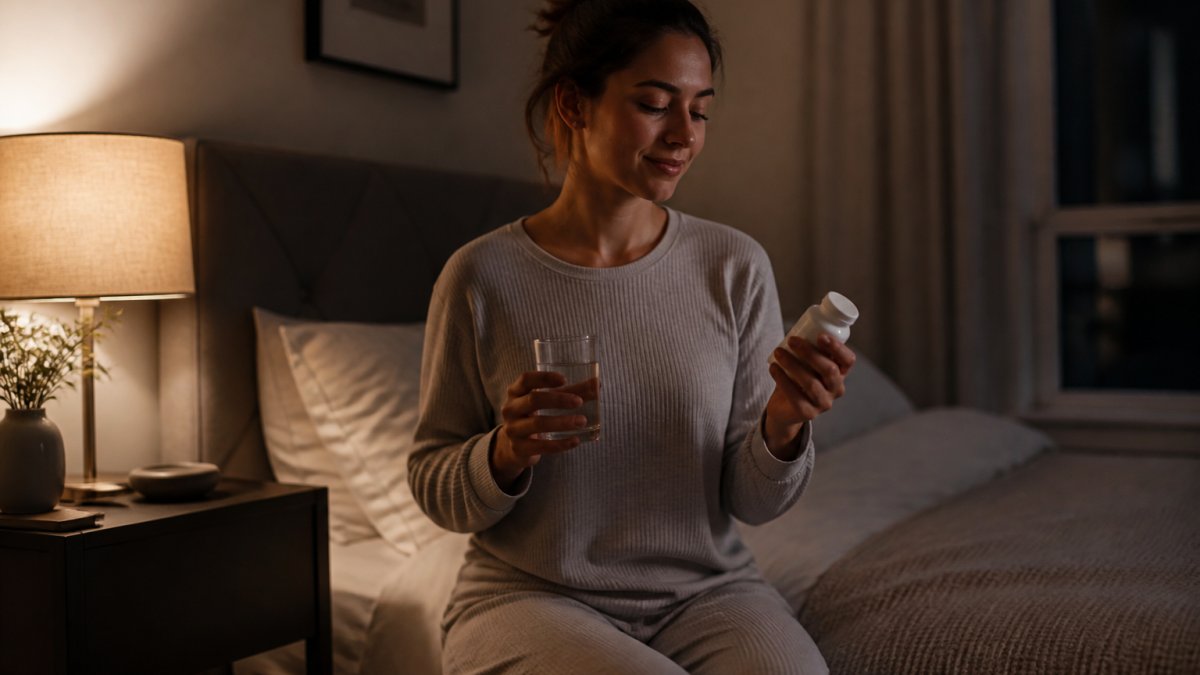
Consistency matters more than perfection. Taking supplements at the same time each night helps your body establish a predictable rhythm.
Avoid caffeine after 2 p.m. and limit alcohol, which disrupts sleep architecture. Exercise earlier in the day supports better sleep, but intense workouts close to bedtime can be stimulating.
When to Seek Professional Guidance
If anxiety-related sleep problems persist despite consistent supplement use and good sleep habits, professional evaluation is appropriate. Chronic insomnia, severe anxiety, and racing thoughts that interfere with daily functioning may indicate an underlying condition requiring medical care.
A healthcare provider can assess whether your sleep issues stem from anxiety, sleep apnea, depression, or another medical condition. They can evaluate medication interactions and recommend whether supplements are appropriate for your situation.
If you experience new or worsening symptoms after starting supplements, unusual drowsiness, headaches, or mood changes, stop and consult your doctor.
Supporting Your Sleep Without Melatonin
Supplements for anxious sleepers offer an alternative to melatonin-based products. When you choose a melatonin-free approach, you're working with your body's natural calming systems rather than introducing a hormone.
The most effective strategy combines multiple elements: targeted supplements that support relaxation, a consistent bedtime routine, good sleep hygiene, and professional guidance when needed. NOCTIS Deep Sleep brings together these principles in a single formula.

Taking NOCTIS Deep Sleep 30-60 minutes before bed becomes part of your nightly routine. The melatonin-free formula supports your body's natural ability to calm a busy mind and prepare for restful sleep.
For adults seeking melatonin-free support for relaxation and better sleep, the combination of targeted supplements and consistent routine practices creates lasting results.
Frequently Asked Questions
What is the best supplement to aid sleep when you have anxiety?
The best supplement depends on your individual needs and how your body responds. L-theanine, glycine, and magnesium are among the most studied ingredients for supporting relaxation and sleep. NOCTIS Deep Sleep combines these with ashwagandha and apigenin in a melatonin-free formula designed specifically for anxious sleepers seeking to wind down before bed. Start with a lower dose and take it consistently as part of your nightly routine to assess effectiveness.
Can supplements for sleep interact with anxiety medications?
Yes, some supplements can interact with anxiety medications or other prescriptions. Herbs like kava and ashwagandha, along with magnesium and amino acids, may affect how certain medications work. If you take anti-anxiety medication, blood thinners, or other prescriptions, consult your healthcare provider or pharmacist before adding any supplement to your routine. They can review your specific medications and recommend safe options.
How can I tell whether a sleep supplement is safe for me?
Check the ingredient list and research each component. Look for third-party testing certifications on the label. Review the suggested dosage and serving size. If you're pregnant, breastfeeding, have liver or kidney concerns, or take medications, speak with your healthcare provider first. Start with the recommended dose and monitor how you feel over several weeks. Reputable brands provide clear labeling and transparency about what's inside.
What should I do if a sleep supplement doesn't work after a few weeks?
Supplements work differently for each person, and results often take consistent use over 2-4 weeks to become apparent. Ensure you're taking it at the same time each night as part of a regular wind-down routine, timing and consistency matter. If you've been using it consistently and see no change, try a different ingredient profile or dose, or consult a healthcare provider to explore other approaches. Never assume a supplement won't work after just one or two doses.
Is a melatonin-free sleep supplement better than melatonin for anxiety?
Melatonin-free supplements take a different approach than melatonin. They focus on relaxation and calming the nervous system through amino acids and botanicals rather than signaling sleep time. For anxious sleepers, a melatonin-free option may feel gentler and less likely to cause morning grogginess. The choice depends on your body's response and whether you prefer supporting relaxation before sleep or using a direct sleep-timing signal. Discuss your preferences with a healthcare provider.