

Natural Alternatives to Melatonin for Sleep in 2026
Table of Contents
- Why People Are Moving Away from Melatonin
- Magnesium for Sleep: Which Form Works Best?
- Ashwagandha for Sleep Quality: What the Research Says
- How to Improve Sleep Hygiene Naturally for Better Rest
- Amino Acids and Botanicals for Calm: L-Theanine, Glycine, and More
- Dosage, Titration, and Safety: Using Natural Sleep Aids Wisely
- Building a Melatonin-Free Nighttime Routine That Lasts
- Conclusion: Finding Your Best Natural Sleep Support
- Frequently Asked Questions
Last Updated: September 29, 2026
Why People Are Moving Away from Melatonin
Melatonin works for some people, but it was never designed to be a nightly habit. That mismatch is pushing many adults toward natural alternatives to melatonin for sleep.
For a direct comparison, see our guide to melatonin-free vs. melatonin sleep supplements.
NIH Office of Dietary Supplements fact sheets
Magnesium for Sleep: Which Form Works Best?
Magnesium glycinate is the best form for most people seeking magnesium for sleep. The glycine bound to it is itself a calming amino acid, and this form is gentle on the stomach.
Magnesium Glycinate vs. Citrate: Absorption and Side Effects
|
Form |
Absorption |
Best For |
Watch Out For |
|---|---|---|---|
|
Glycinate |
High |
Nightly use, sensitive stomachs |
Higher cost |
|
Citrate |
Moderate |
Constipation relief |
Loose stools |
|
Oxide |
Low |
Budget buyers |
Poor absorption |
|
Threonate |
High |
Cognitive focus |
Limited sleep data |
For muscle relaxation and a calm bedtime, glycinate is the safer nightly pick.
Ashwagandha for Sleep Quality: What the Research Says
Ashwagandha is an adaptogen used to lower cortisol levels and support nervous system balance. The evidence is promising but not definitive, so treat it as a supportive tool rather than a cure.
Sensoril vs. KSM-66: Which Ashwagandha Extract Is Right for You?
Sensoril contains more withanolide glycosides and tends to be more calming, which suits evening use. KSM-66 is root-only and often chosen for stress and daytime energy. For sleep quality specifically, Sensoril is the more common choice.
How to Improve Sleep Hygiene Naturally for Better Rest
Learning how to improve sleep hygiene naturally is the highest-use step, and it costs nothing. Supplements support a good routine. They cannot replace one.
Amino Acids and Botanicals for Calm: L-Theanine, Glycine, and More
The most reliable non-hormonal options are amino acids and botanical extracts that calm the nervous system without heavy sedation. But not all of them are backed by the same quality of evidence, and treating them as interchangeable is where most people go wrong. Below, each option is sorted into an evidence tier so you can decide where to spend your money and attention first.
Strong Evidence: Amino Acids With Clear Mechanisms
L-theanine is an amino acid found in green tea. It raises calming neurotransmitter activity, specifically by increasing GABA, serotonin, and dopamine signaling in the brain, without acting as a sedative, so it quiets a busy mind rather than knocking you out. It typically takes effect within 30 to 60 minutes, which is why it fits a bedtime sequence well.
Moderate Evidence: Traditional Botanicals
Valerian and passionflower have the longest traditional use of any botanical on this list. Valerian root is thought to increase GABA availability, though the exact mechanism is not fully pinned down and study results are mixed. Passionflower appears to work on similar pathways and is often used when valerian feels too heavy.
Anecdotal: What to Treat as Optional
A long list of other botanicals, lemon balm, hops, lavender, magnolia bark, show up in sleep products. Some have small studies behind them, but the evidence is thin enough that they should be treated as supporting players, not the reason a formula works. If a product's main selling point is one of these, look at what else is in it.
How to Read a Sleep Formula Label
When you scan an ingredient panel, sort it mentally into the tiers above. A formula built around glycine, L-theanine, and taurine with a moderate-evidence botanical like apigenin or passionflower is doing real work. A formula that leads with three or four anecdotal botanicals and hides the amino acids in a proprietary blend is mostly marketing.
L-Theanine and Taurine: Dosing for Relaxation Without Sedation
Typical evening ranges are 100-200 mg of L-theanine and 500-1,000 mg of taurine. Glycine is usually dosed higher, 3 grams is the most common research dose, though some people do well on 1-2 grams. Start at the low end and hold for a week before adjusting. The goal is relaxation, not sedation.
Dosage, Titration, and Safety: Using Natural Sleep Aids Wisely
The biggest gap in most guides is titration, and it is where things go wrong. Start with one ingredient at a low therapeutic dose for at least a week. Then adjust or add the next. This matters for two reasons. First, you learn what actually works for you. Second, you avoid the dependency trap that sends people back to melatonin.
Starting Doses and Titration Protocol
Here is a conservative starting framework most practitioners find reasonable for adults. These are starting points, not targets, the goal is to find the lowest dose that helps.
|
Ingredient |
Starting Dose |
Typical Range |
When to Take |
|---|---|---|---|
|
Magnesium glycinate |
200 mg elemental |
200-400 mg |
60-90 min before bed |
|
L-theanine |
100 mg |
100-200 mg |
30-60 min before bed |
|
Glycine |
1 g |
1-3 g |
30-60 min before bed |
|
Taurine |
500 mg |
500-1,000 mg |
30-60 min before bed |
|
Ashwagandha (Sensoril) |
125 mg |
125-250 mg |
With dinner or 60 min before bed |
|
Apigenin |
50 mg |
50-100 mg |
30-60 min before bed |
For a closer look at these ingredients, see our guide to L-theanine, glycine, taurine, ashwagandha, and apigenin for sleep.
A workable titration schedule looks like this:
- Week 1: One ingredient only, at the starting dose. Track sleep latency, night wakings, and morning grogginess.
- Week 2: If no improvement, raise that ingredient toward the middle of its range. If it helped, hold the dose.
- Week 3: Add a second ingredient at its starting dose, keeping the first stable.
- Week 4: Reassess. Drop anything that did not clearly help. Most people end up with two or three ingredients, not six.
Cycling to Avoid Tolerance
Daily use of any calming agent can blunt its effect over time. A common pattern is to cycle ashwagandha five nights on, two nights off, and to take a full week off every eight to twelve weeks. Amino acids like glycine and L-theanine are generally well tolerated for nightly use, but a two-night break per week is a low-cost way to keep them working.
Drug-Herb Interactions: What Not to Mix
This is the part most guides skip, and it is the part that matters most if you take prescription medication. Check with a pharmacist or your doctor before starting any of the following combinations.
- Ashwagandha + thyroid medication (levothyroxine, methimazole): ashwagandha can raise thyroid hormone levels, which may push you out of range on a stable dose.
- Ashwagandha + sedatives or benzodiazepines (alprazolam, lorazepam, zolpidem): additive sedation and next-day impairment.
- Ashwagandha + immunosuppressants (cyclosporine, tacrolimus): may reduce their effectiveness.
- Valerian + sedatives, opioids, or alcohol: amplifies central nervous system depression. Do not combine.
- Valerian + SSRIs or MAOIs: theoretical risk of excessive serotonin activity. Ask your prescriber.
- Passionflower + blood thinners (warfarin, apixaban): may increase bleeding risk when combined.
- Magnesium + certain antibiotics (tetracyclines, fluoroquinolones like ciprofloxacin) and bisphosphonates: magnesium binds these in the gut and reduces absorption. Separate doses by at least two hours.
- Magnesium + potassium-sparing diuretics or ACE inhibitors: can push magnesium or potassium too high. Monitor with your doctor.
- L-theanine + blood pressure medication: may lower blood pressure further than intended.
When to Stop and See a Doctor
Natural sleep aids are not a substitute for evaluation of ongoing insomnia. If you have been sleeping poorly for more than three months, if you snore heavily or wake gasping, or if sleepiness is affecting your driving or work, those are reasons to see a clinician rather than add another supplement.
NIH Office of Dietary Supplements fact sheets
Building a Melatonin-Free Nighttime Routine That Lasts
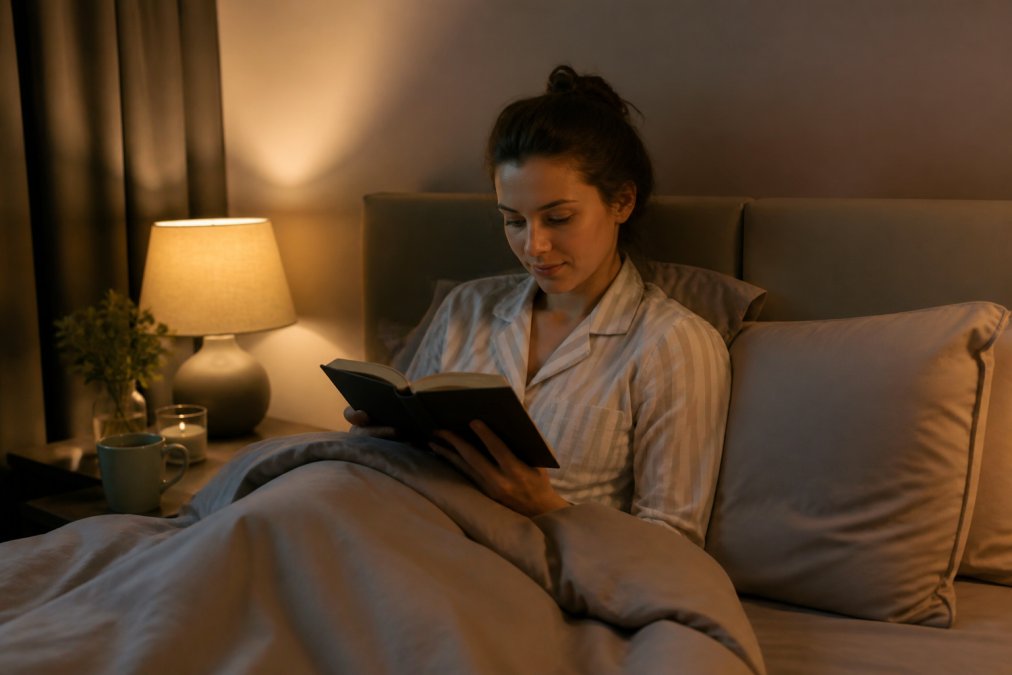
A routine that lasts is built around consistency, not intensity. The goal is a repeatable sequence your body learns to associate with winding down.
- Set a fixed wake time and get morning light within an hour
- Stop caffeine by early afternoon
- Dim lights and put screens away 60 minutes before bed
- Take your calming support 30-45 minutes before bed
- Do one low-stimulation activity: reading, stretching, or journaling
- Keep the room cool, dark, and quiet
CDC sleep and sleep disorders information
Conclusion: Finding Your Best Natural Sleep Support
Try one change at a time, give it a week, and keep what works. Build the routine first, then let the right formula support it.
Frequently Asked Questions
What is the strongest natural sleep aid without melatonin?
There is no single strongest natural sleep aid, but certain ingredients have strong evidence. Magnesium glycinate supports muscle relaxation and nervous system balance. Ashwagandha (Sensoril) may reduce cortisol levels, aiding sleep quality. L-theanine promotes calm without sedation. Combining these with good sleep hygiene often works better than any single ingredient. Always consult a healthcare provider before starting new supplements.
How does ashwagandha support a healthy sleep cycle?
Ashwagandha is an adaptogen that may help regulate cortisol levels, the hormone tied to your sleep-wake cycle. By lowering stress hormones, it can reduce sleep latency and improve sleep quality. Studies on extracts like Sensoril show benefits for sleep architecture. Typical doses range from 125-500 mg daily. It's non-habit forming but takes a few weeks for full effects.
Can herbal teas act as effective natural sleep aids?
Yes, certain herbal teas can promote relaxation. Chamomile, passionflower, and valerian root have calming properties. They work gently, often through GABA pathways, to reduce anxiety and prepare the body for sleep. However, they are not as potent as concentrated supplements. For best results, drink a cup 30-60 minutes before bed as part of a consistent bedtime routine.
Why do some people avoid melatonin supplements?
People avoid melatonin due to concerns about next-day grogginess, potential hormone disruption, and the risk of dependency. Some find it stops working over time. Additionally, melatonin is a hormone, so those with autoimmune conditions or taking certain medications may prefer non-hormonal options. Natural alternatives like magnesium, ashwagandha, and L-theanine offer gentler support without altering hormone levels.
Most people do not need a stronger sleep aid. They need a smarter sequence and ingredients that support the nervous system instead of overriding it. Noctis Health Labs built Deep Sleep for exactly that: a melatonin-free blend of glycine, L-theanine, taurine, Sensoril ashwagandha, and apigenin, designed for nightly use and a consistent wind-down routine. Get started with Noctis Health Labs and build a bedtime routine that actually holds.