

How to Fix a Dehydrated Skin Barrier at Home?
Last Updated: November 7, 2026
Quick Summary
To fix a dehydrated skin barrier at home, stop using irritating products, switch to a gentle fragrance-free cleanser and moisturizer, use lukewarm water, and apply moisturizer to damp skin. Most people see improvement within a few weeks of consistent care.
- Pause exfoliants, retinoids, acids, and any new product for a few days.
- Use lukewarm water and a cream or milk cleanser, not a foaming one.
- Apply moisturizer while skin is still slightly damp to help lock in water.
- Keep a simple routine for two to four weeks before reintroducing actives.
- See a dermatologist if symptoms last longer than four weeks or spread.
Table of Contents
- What the Skin Barrier Does and Why It Becomes Dehydrated
- Dehydrated Skin Versus Dry, Irritated, or Eczema-Prone Skin
- What to Do When Skin Barrier Is Damaged: Stop, Simplify, and Calm
- A Staged Morning and Evening Routine for Dehydrated Skin
- Skin Barrier Repair Products and Ingredients to Look For
- How to Repair Skin Barrier Without Products: Lifestyle and Environmental Habits
- How Long Does It Take to Support a Dehydrated Skin Barrier, and When to Reintroduce Actives
- Booking Your Next Step: When to See a Dermatologist
- Frequently Asked Questions
What the Skin Barrier Does and Why It Becomes Dehydrated
Your skin barrier is the outermost layer of your skin. It holds water in and keeps irritants out. When it works well, your skin feels comfortable, supple, and resilient. When it is damaged, dehydrated skin barrier symptoms appear quickly, including tightness, stinging, and rough patches.
The barrier is built from skin cells held together by lipids such as ceramides, fatty acids, and cholesterol. Think of it like a brick wall, with the cells as bricks and the lipids as mortar. Water moves out of the skin through a process called transepidermal water loss (Transepidermal water loss (TEWL): Environment and pollution, A systematic review). A healthy barrier keeps that loss low.
Several everyday factors can weaken this wall:
- Hot showers and harsh cleansers
- Cold, dry air and low indoor humidity
- Frequent exfoliation or overuse of active ingredients
- Alcohol-heavy or heavily fragranced products
- Sun exposure without consistent sunscreen use
Watch out: Scrubbing harder to "remove dryness" usually makes a damaged barrier worse, not better.
Dehydrated Skin Versus Dry, Irritated, or Eczema-Prone Skin
These four conditions look alike but need different care. Dehydrated skin lacks water. It can occur on oily skin too, and it often shows fine lines and a dull look. Dry skin lacks oil, and it feels rough or scaly all the time.
Irritated skin reacts to something, such as a product, fabric, or weather. It often stings or turns red. Eczema is a chronic inflammatory condition that tends to be itchy and flares in patches. If you suspect eczema, or if a rash is spreading, see a healthcare provider rather than treating it at home.
A simple check helps. If your skin feels tight but looks fine when hydrated, dehydration is likely. If redness, swelling, or itching persists after you stop using new products, consult a dermatologist.
What to Do When Skin Barrier Is Damaged: Stop, Simplify, and Calm
The first step is to stop the things that caused the damage. Pause exfoliants, retinoids, acids, and any new product. Give your skin a few days without them.
Next, simplify. Use three basic products: a gentle cleanser, a moisturizer, and sunscreen during the day. Fewer products mean fewer possible irritants.
Then calm the skin. Focus on soothing, fragrance-free formulas. Many people find that a simple routine for two to four weeks brings noticeable relief.
A Staged Morning and Evening Routine for Dehydrated Skin
A consistent routine does most of the work. Here is a simple structure to follow.
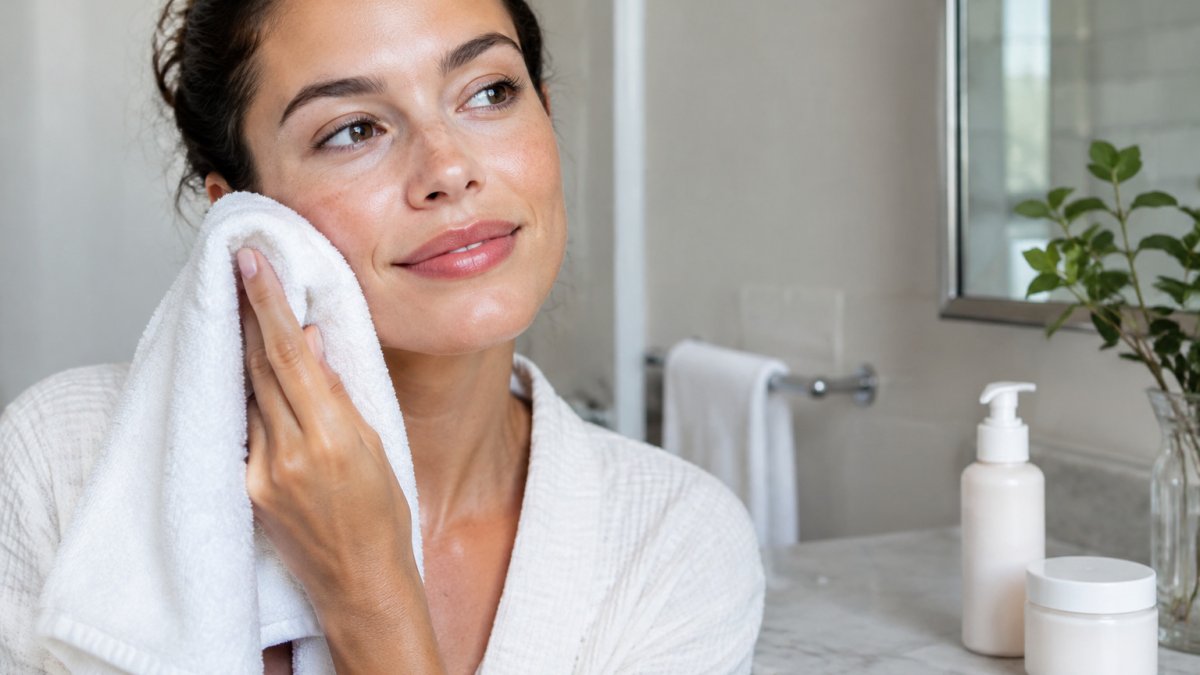
Morning:
- Rinse with lukewarm water or use a gentle, fragrance-free cleanser.
- Apply a hydrating serum or humectant-based layer while skin is still slightly damp.
- Seal with a moisturizer.
- Finish with a broad-spectrum sunscreen.
Evening:
- Remove sunscreen and makeup with a gentle cleanser.
- Apply a barrier-supporting moisturizer.
- Use a richer occlusive layer if your skin still feels tight.
Gentle Cleansing and Lukewarm Water
Hot water strips the lipids your barrier needs (Impact of Water Exposure and Temperature Changes on Skin Barrier Function). Choose a cream or milk cleanser over a foaming one, and use lukewarm water. Cleanse for about 30 seconds, then pat your skin dry.
Avoid bar soaps and products containing sodium lauryl sulfate, which can leave skin feeling squeaky clean and tight.
Moisturizing on Damp Skin
Apply moisturizer while your skin is still slightly damp. Humectants such as glycerin and hyaluronic acid pull water into the skin, and occlusive ingredients help lock it in.
Layer products from thinnest to thickest. Wait a minute between layers so each can absorb.
Skin Barrier Repair Products and Ingredients to Look For
Barrier-supporting ingredients fall into three functional groups, and understanding the difference helps you build a routine that actually holds water in rather than layering products that do the same job twice.
Humectants draw water toward the skin. Glycerin, hyaluronic acid, and panthenol are common examples. They work best applied to slightly damp skin and need something on top to seal them in; used alone in very dry air, they can leave skin feeling tight again within an hour.
Emollients soften and smooth by filling the spaces between skin cells. Fatty alcohols, squalane, and plant oils are typical. They improve the feel of rough, flaky patches but do not reduce water loss on their own.
Occlusives form a physical layer that slows transepidermal water loss. Petrolatum is the most effective and best-studied option; dimethicone and richer waxes are lighter alternatives. Occlusives feel heavy, which is why many people reserve them for nighttime or for the tightest areas such as around the nose and mouth.
A barrier-supporting moisturizer usually combines all three. Ceramides, cholesterol, and fatty acids are the lipids the barrier is built from, and formulas that include them in a balanced ratio are designed to replenish what cleansing and irritation strip away (pubmed.ncbi.nlm.nih.gov). Niacinamide is an ingredient some people find helpful for visible redness, and higher concentrations can sting compromised skin, so a lower strength is often a gentler starting point.
A short list of ingredients worth having during recovery:
- A fragrance-free cream or milk cleanser
- A humectant layer such as glycerin or hyaluronic acid
- A ceramide-containing moisturizer
- A plain occlusive for tight spots and overnight use
- A broad-spectrum sunscreen, mineral or chemical, that does not sting
Ingredients and habits to avoid while the barrier recovers:
- Added fragrance and essential oils, including citrus and peppermint
- High concentrations of denatured alcohol near the top of the ingredient list
- Physical scrubs, cleansing brushes, and peel pads
- Foaming cleansers built on sodium lauryl sulfate
- Hot water and long showers
- Layering several new products at once
Watch out: If a product stings, burns, or turns your skin red within minutes, stop using it rather than pushing through. Rinse with lukewarm water, return to the plain cleanser-and-moisturizer routine for several days, and patch test any new product on the inner forearm or jawline for two to three nights before applying it to the full face. Persistent burning, swelling, or a spreading rash is a reason to contact a healthcare provider rather than continue experimenting.
NOCTIS Health Labs formulates skincare with hydration and barrier support in mind, and you can browse the skincare collection to compare fragrance-free options that fit the routine above.
How to Repair Skin Barrier Without Products: Lifestyle and Environmental Habits
Products are only part of recovery. Daily habits matter just as much.
- Use a humidifier in dry rooms, especially in winter.
- Keep showers short and water warm rather than hot.
- Drink water regularly, but understand that hydration from within has limited direct effect on the skin barrier.
- Wear protective clothing and sunscreen outdoors.
- Sleep on clean pillowcases and change them often.
- Manage stress, since it can worsen flare-ups in some people.
Limiting these irritants gives your barrier room to rebuild.
Products are only part of recovery, and the habits below affect how quickly a dehydrated barrier can rebuild.
| Habit | Why it matters | Practical tip |
|---|---|---|
| Humidifier | Dry rooms pull moisture from skin | Use one in dry rooms, especially in winter |
| Shower temperature | Hot water strips lipids | Keep showers short and warm, not hot |
| Outdoor protection | Sun and wind add stress | Wear protective clothing and sunscreen |
| Pillowcases | Bacteria and irritants build up | Use clean pillowcases and change them often |
| Stress | Can worsen flare-ups in some people | Manage stress as part of recovery |
How Long Does It Take to Support a Dehydrated Skin Barrier, and When to Reintroduce Actives
Recovery is gradual, and the timeline depends on how compromised the barrier was and how consistently you remove the irritants. A common pattern is that tightness and stinging ease within a few days of gentle cleansing and consistent moisturizing, while roughness, flaking, and reactivity take longer to settle. A simplified routine held for two to four weeks is a commonly suggested starting point for recovery, and pushing actives back in too early can trigger a second flare.
Rather than watching the calendar alone, track observable signs of improvement:
- Skin feels comfortable after cleansing instead of tight
- Moisturizer absorbs without stinging
- Flaking and rough patches shrink rather than spread
- Redness fades and does not return after a lukewarm shower
- Makeup and sunscreen sit smoothly instead of catching on dry patches
- You can go a few hours without reapplying moisturizer
If none of these markers appear after four weeks of consistent care, or if symptoms worsen, that is a signal to see a dermatologist rather than add more products.
Reintroducing actives after recovery
Wait until your skin has felt calm and comfortable for at least two weeks before bringing anything back. Then reintroduce one product at a time, following a gradual schedule:
- Choose a single active, such as a low-strength retinoid or a gentle acid, and leave everything else out.
- Apply it two nights per week for the first two weeks.
- If there is no stinging, redness, or flaking, add a third night per week for another two weeks.
- Continue increasing frequency slowly until you reach your target use.
- Only after that active is tolerated should you introduce the next one, starting the same two-night schedule again.
Buffering helps. Applying moisturizer before the active, or mixing a small amount with moisturizer, reduces the chance of irritation during the reintroduction phase. On the nights you use an active, skip exfoliating acids and keep cleansing gentle.
Watch out: Adding several new actives at once makes it impossible to know which one caused a reaction, and it can undo weeks of progress in a single evening. If stinging returns, drop back to the plain routine for a week and restart the active at a lower frequency.
Some products are better left out of a recovery routine entirely until the barrier is stable: high-percentage acids, physical scrubs, cleansing brushes, and anything with added fragrance or essential oils. Sunscreen, by contrast, should stay in place every day, since unprotected sun exposure works against the barrier you are trying to rebuild.
Booking Your Next Step: When to See a Dermatologist
See a dermatologist if your symptoms last longer than four weeks, if you develop open sores or spreading redness, or if you suspect an allergic reaction. A professional can help distinguish dehydration from eczema, contact dermatitis, or other conditions and suggest treatment that suits your skin.
Frequently Asked Questions
How can I hydrate my skin barrier?
Start by using a gentle, fragrance-free cleanser and lukewarm water rather than hot water, which can strip natural oils. Apply a moisturizer to damp skin within a minute or two of cleansing so water is locked in. Look for humectants such as glycerin or hyaluronic acid paired with occlusives or emollients like ceramides or petrolatum. Consistency matters more than any single product, so applying the same simple routine morning and night gives the barrier the most support.
Can you reverse skin damage from dehydration?
Dehydrated skin is often temporary, and the barrier can typically recover when water loss is reduced and irritants are removed. Recovery is gradual, so many people notice improvement in tightness and comfort over several days to a few weeks. Persistent redness, cracking, pain, or signs of infection should be evaluated by a dermatologist or healthcare provider, since those are not normal dehydration symptoms.
How can I tell if my skin barrier is dehydrated or damaged?
Dehydrated skin usually feels tight, looks dull, and may show fine lines that disappear with hydration, while the skin itself still produces oil. A compromised barrier often adds stinging, burning, or redness when applying products, along with flaking or sensitivity to the environment. If symptoms resemble eczema, rash, or an allergic reaction, or they do not improve after several weeks of gentle care, consult a dermatologist for an accurate diagnosis.
